The Nashville Tele Problem
Nashville Telecasters are an interesting hybrid of two of the most popular guitar styles out there. Nashville Teles offer a Telecaster body and feel, and Stratocaster pickup layout. By adding […]


Are you looking for more ways to improve your guitar tone? We’ve got some low-cost, easy-to-implement tips, tricks, and techniques for you. From taking care of your guitar to getting into the nitty-gritty of the guitar’s setup, everything in this article will help you squeeze as much of that awesome tone out of your guitar as possible!
Often overlooked, but infinitely important: a proper setup from an experienced luthier should be step one on your tone journey.
Put simply, if your guitar isn’t properly set up, it’s hurting your tone. If your neck has a back bow or your strings are too low, your strings miss the full oscillation pattern that makes your guitar sound good. You also lose valuable sustain.
A properly set-up guitar sounds better than one without a proper setup. During a setup, an experienced luthier will set your string height, adjust the neck relief, set the nut and bridge action, adjust your intonation, and check other hardware. All of this works together for a better-sounding and playing instrument.
This should be your starting point – if you start adjusting things without getting a setup, you may be adjusting them in the wrong direction. Go and get one first!
Your pickups are the voice of your guitar – they should be high-quality and made with care. Carefully selecting your pickups can make a difference in improving your guitar tone. Not only do hand-made pickups generally sound better than production-run pickups, but they are usually built to order and allow customers to express what they are looking for in their tone. I’m not saying mass-produced pickups are bad – but hand-wound and hand-made pickups offer a level of attention to detail that mass-produced pickups won’t have.
Here at Fralin Pickups, we discuss pickups all day with customers and listen to what they are looking for in their pickups and guitars. Using this information, we carefully suggest models and outputs that achieve our customers’ goals.
Also, we’re using all USA-Made parts, carefully assembling and winding each pickup by hand, one at a time, and putting it through over three quality control checks. That’s just us – other great manufacturers take care in their manufacturing process, and purchasing quality pickups will certainly improve your guitar tone.

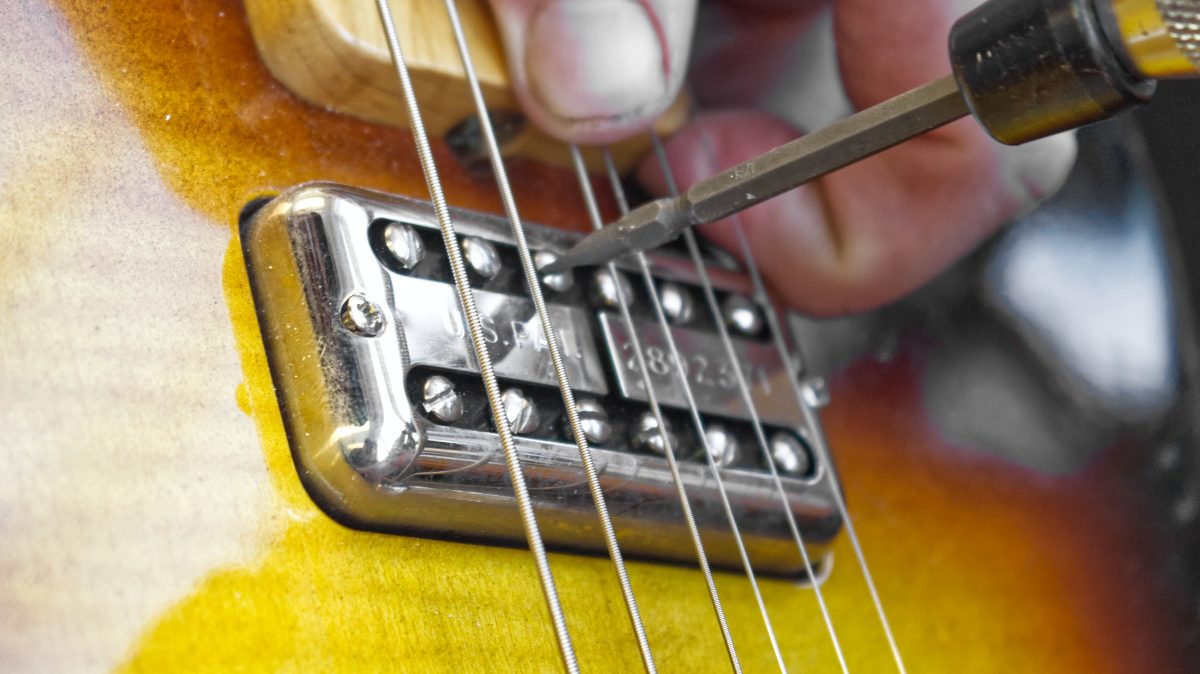
Now that you have some quality pickups installed, let’s set them to the correct height. Setting your pickups to the correct height ensures they’re optimized for your guitar’s setup.
Set too high, your guitar’s pickups interfere with the string’s oscillation pattern. This can cause buzzing and magnetic interference, making your guitar sound out of tune or warbly. Set too low, your pickups can sound under-powered and weak.
Setting your pickup height correctly is a quick process that takes just a few minutes and a screwdriver. Give it a try, you’ll be done before you finish a cup of coffee.
Steps:
While this is a recommended starting point, we suggest setting your pickup height to the starting point first, then adjusting by ear to your liking. There is no true formula – use your ears!
Strings are an often-overlooked part of your tone. Some players opt for whatever is cheap, but not all strings are made the same. Investing a bit more in a high-quality string can make a big difference in playability and durability.
As a jazz player, I use Thomastik-Infeld Bebop strings, which are a whopping $30+ a pack. I know that’s a lot of money. However, to me, it’s worth it. They last for months and feel great to play. I’ve tried other strings, and they just don’t come close. Experiment with other brands to find what lasts longest and sounds best to your ears.
While on the subject of strings, we recommend heavier gauges over lighter ones. Strings are your guitar’s lifeblood. If they are too light, they can sound weak and plinky. Heavier-gauge strings sound fuller, richer, and more powerful. They also intonate better and last longer than light gauges. We recommend playing with a minimum of 10-42 guitar strings.
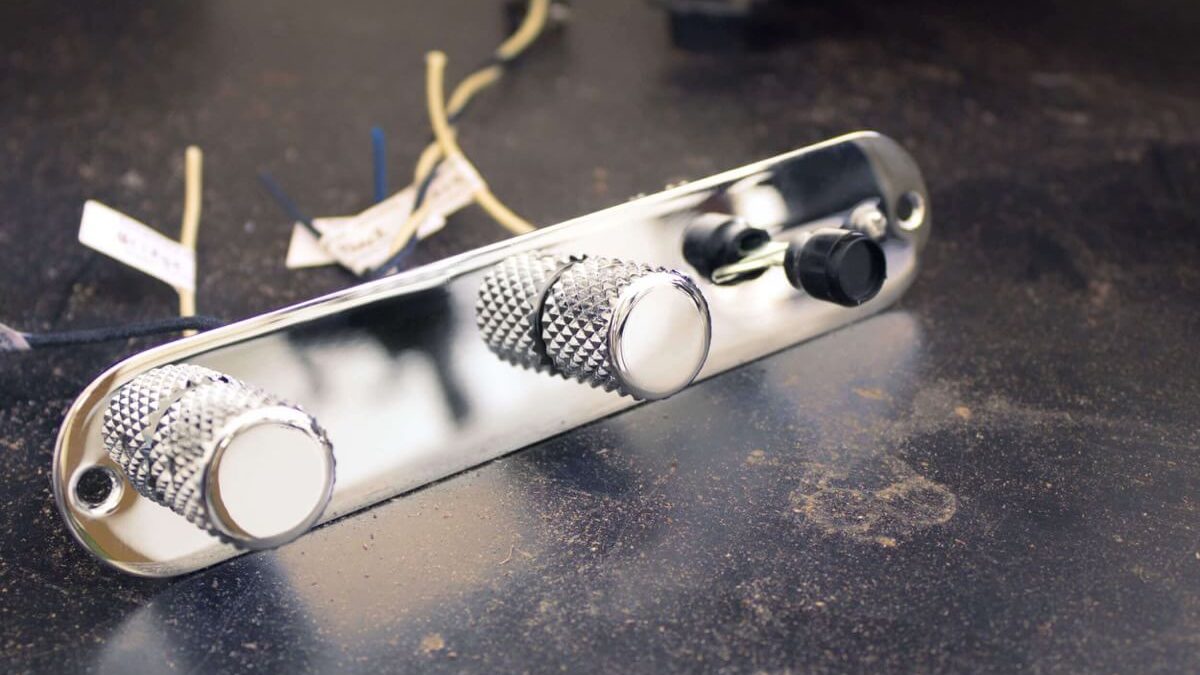
Lastly, make sure your electronics are high-quality and optimized for the tone you want. Choosing the right pot values and manufacturers is key to getting the most tone from your guitar. If your guitar has low-quality electronics, replace them. I only trust electronics from reputable manufacturers like SwitchCraft, CTS, Emerson Custom, and CRL. Good-quality electronics sound better and last longer.
While on the subject of electronics and wiring, keep your wiring as simple as possible. The more switches, push-pull pots, and modifications you add to your guitar’s wiring, the more things can go wrong with the wiring in the future. It’s like a great soup or pasta sauce – the best soups and sauces have minimal ingredients, but quality ingredients!
In summary, these tips and tricks may sound basic, but they are essential for getting a solid starting point for building your tone. Getting a proper setup, choosing pickups carefully, using larger strings, and making sure your electronics are optimized will all improve your guitar tone!